If you are looking for a Peninsula town that feels peaceful, private, and closely tied to nature, Portola Valley stands out right away. This is not a place built around busy retail corridors or dense suburban growth. Instead, Portola Valley is known for open space, trails, low-density housing, and a quieter daily rhythm. If you want to understand whether that lifestyle fits your goals, this guide will walk you through what living here is actually like. Let’s dive in.
Portola Valley at a glance
Portola Valley is a small town of about 4,500 residents located just west of Stanford University, according to the Town of Portola Valley. The town describes itself as a wooded, semi-rural community where scenic roads, trails, open space, and architecture that blends into the landscape shape everyday life.
That character is not accidental. The town’s history notes that Portola Valley incorporated in 1964 in part to preserve low-density housing, maintain limited services, and protect its rural ambiance. When you spend time here, that long-term planning shows up in the streetscape, the housing pattern, and the overall pace of life.
Daily life feels quiet and outdoorsy
One of the first things many people notice about Portola Valley is how natural it feels. Rather than a conventional downtown, the civic heart of town is the Town Center, which includes the library, community hall, town hall, playing fields, and public meeting spaces.
That setup gives the town a more community-centered feel than a commercial one. The town also notes that local government is supported by volunteers, which reinforces the small-town atmosphere and sense of local stewardship.
For many residents, day-to-day life here is closely connected to the outdoors. You are more likely to think in terms of trail access, open space, and scenic drives than quick walks to a dense retail district. If that sounds appealing, Portola Valley offers a lifestyle that is hard to duplicate elsewhere on the Peninsula.
Trails and open space are a major draw
Outdoor access is one of Portola Valley’s defining features. The town says it has nearly as many trail miles as road miles, and Public Works maintains 36 miles of trails and 35 miles of streets. That is a strong signal of how central recreation and land preservation are to the community.
These trails support hiking, biking, and equestrian use, which gives residents a wide range of ways to enjoy the landscape. The town’s trail system also includes a Safe Routes to School network that connects schools, Town Center, and Ford Field, making outdoor movement part of everyday routines for many households.
Nearby regional preserves add even more access to nature. Windy Hill Preserve borders Portola Valley and spans 1,414 acres, with grassland ridges as well as redwood, fir, and oak forest. Los Trancos Preserve adds additional open-space terrain nearby, giving residents easy access to varied scenery and trail experiences.
The housing feel is private and landscape-focused
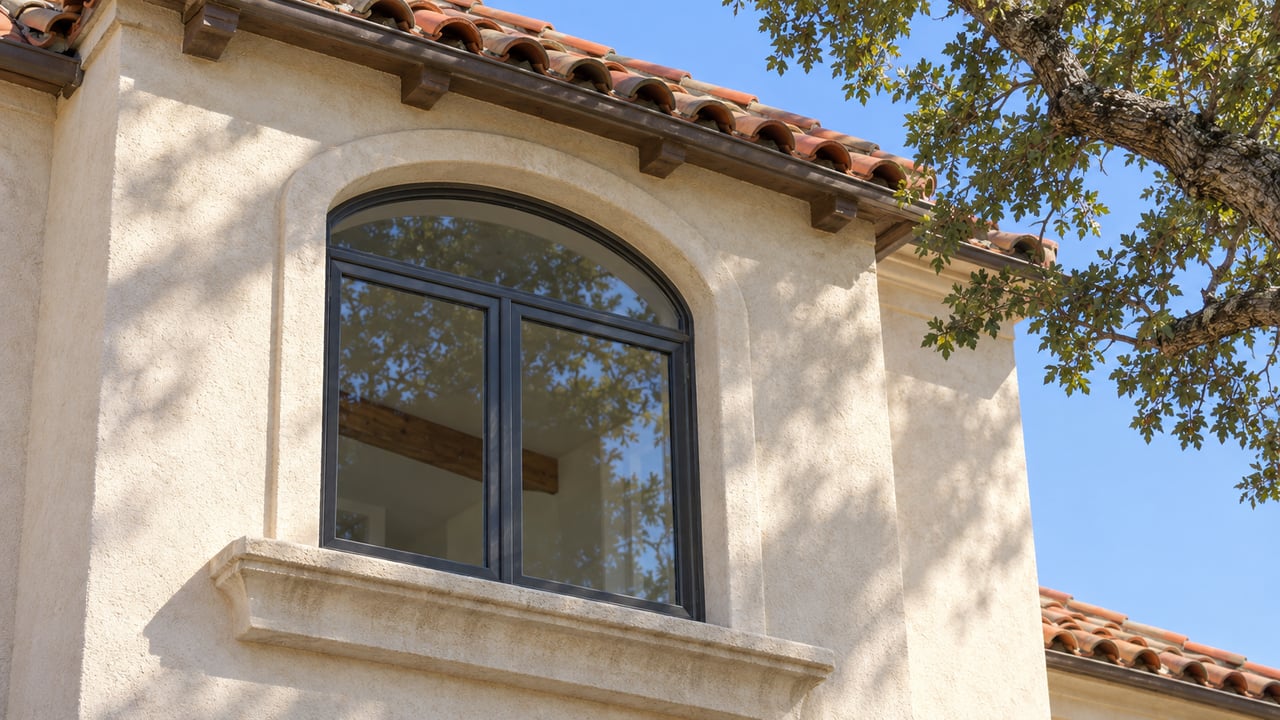
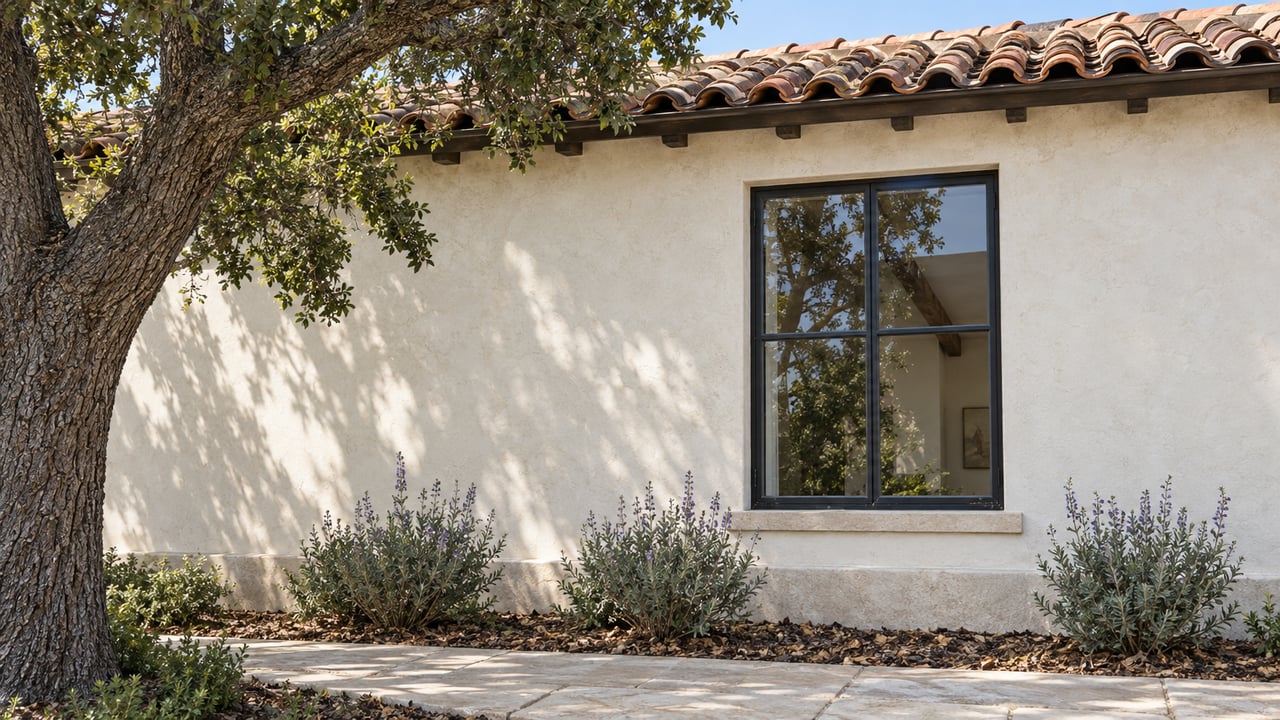
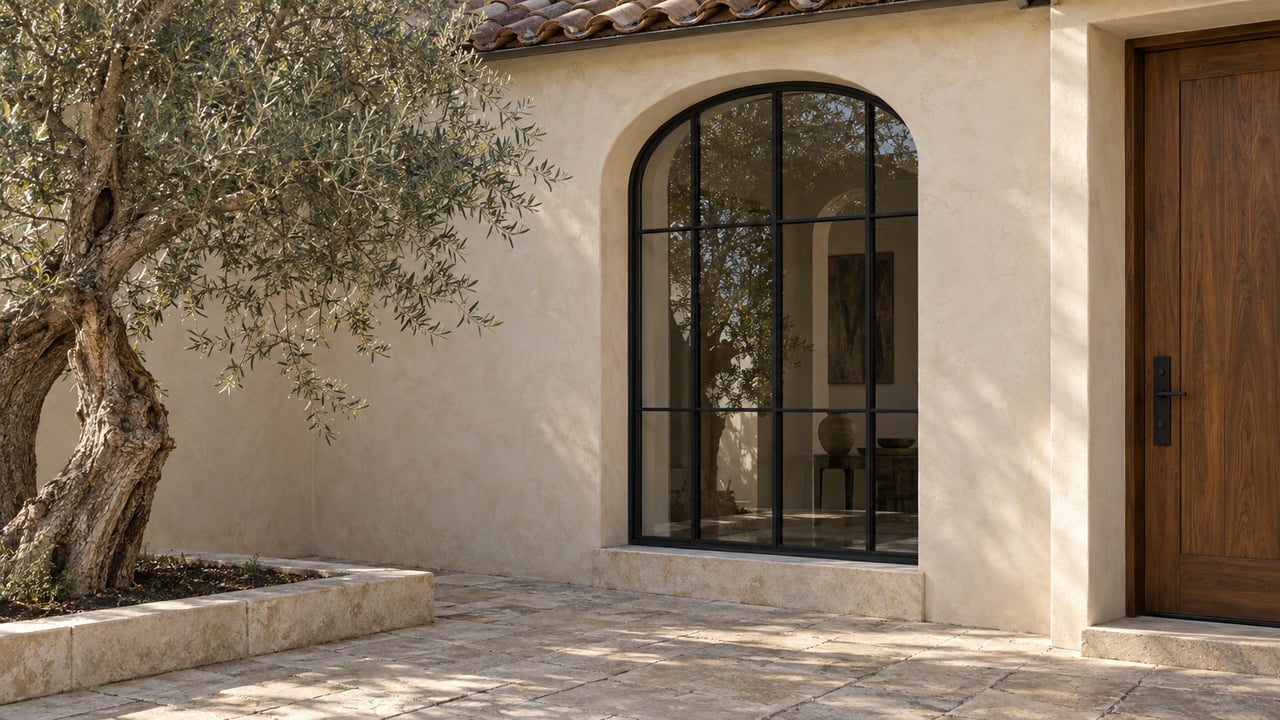
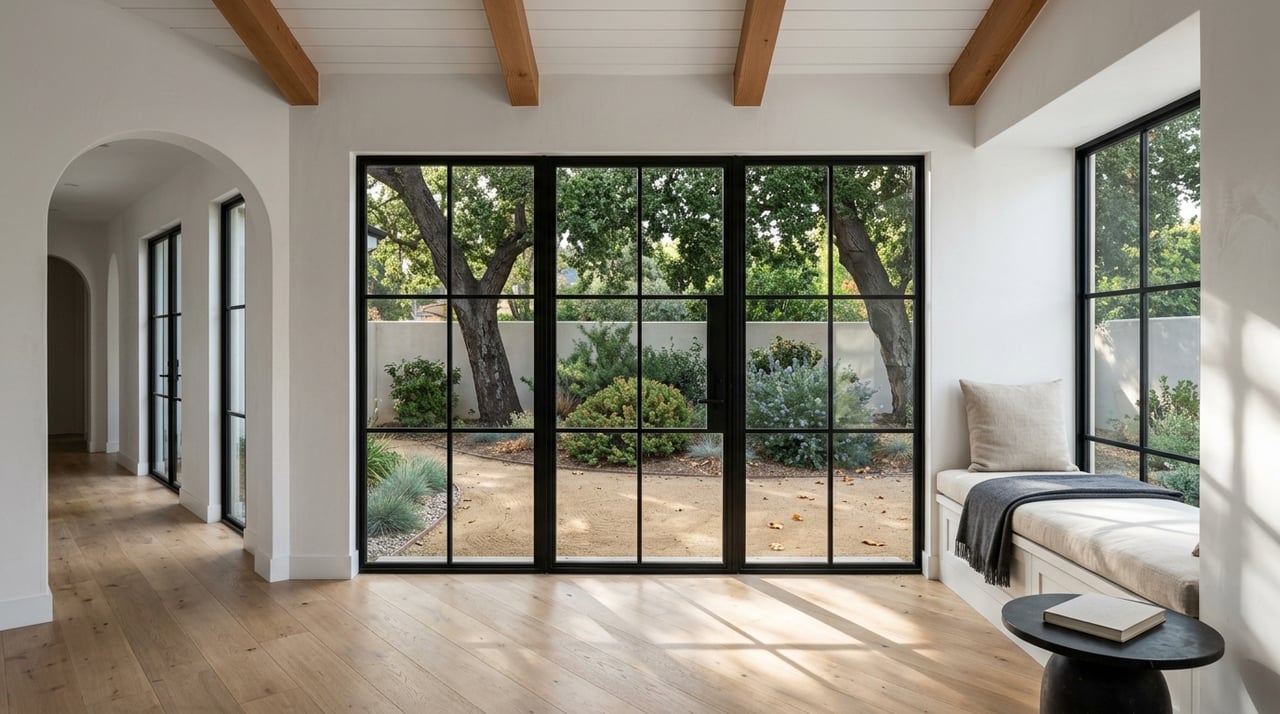
Portola Valley’s housing stock has a distinct character. According to the town’s housing and planning documents, the community is made up primarily of single-family homes on larger lots, with local design oversight intended to preserve visual character and limit excessive grading, tree removal, and incompatible building forms.
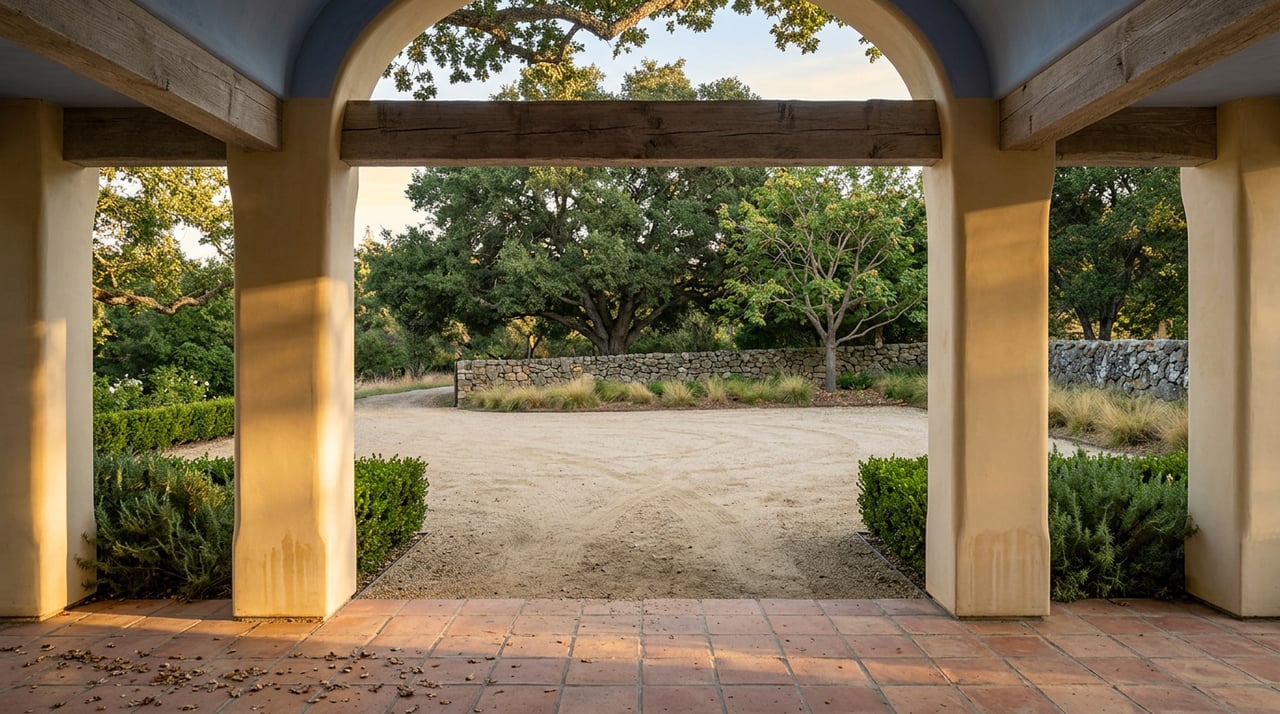
In practical terms, that often translates into homes that feel understated, privacy-oriented, and carefully placed within the land. Town planning documents repeatedly emphasize that structures should remain subordinate to the natural terrain, with limited massing, thoughtful siting, and screening of manmade elements where possible.
That design approach helps explain why Portola Valley often feels spacious and quiet. Even when homes are architecturally notable or high in value, the overall effect is generally restrained rather than flashy. For buyers who value privacy and a strong connection to the surrounding landscape, that can be a major advantage.
Schools are small and locally rooted
For buyers who are evaluating school options, Portola Valley offers a notably small local public K-8 structure. The Portola Valley School District says it serves just over 500 children, with TK through grade 3 at Ormondale and grades 4 through 8 at Corte Madera.
For high school, Portola Valley is part of the Sequoia Union High School District, which includes the town among its communities and operates Woodside High School as one of its comprehensive high schools. There are also private school options located in town, including Woodland School and Woodside Priory.
What stands out most is the scale. The local public K-8 system is intentionally small, which may appeal to households looking for a more intimate school setting. As with any move, it is wise to verify current attendance, enrollment, and program details directly with the relevant district or school.
Convenience is the main tradeoff
Every community has tradeoffs, and in Portola Valley the biggest one is convenience. The town’s planning documents make clear that local shopping and service areas are intended to meet recurring resident needs, while larger centers such as Stanford and Palo Alto are relied on for more specialized goods and services.
That means Portola Valley is not built around a highly urban, errands-on-foot lifestyle. If you prefer being minutes from a dense mix of restaurants, retail, and services, this town may feel less convenient than other Peninsula locations.
Transportation patterns reflect that reality as well. The town’s Local Road Safety Plan says 39 percent of employed residents work outside town, residents usually commute by car, and bus service is limited. For many buyers, that is an acceptable trade in exchange for privacy, open space, and a quieter home environment.
Change happens slowly here
Another important part of living in Portola Valley is understanding how carefully growth is managed. The town’s 2023-2031 Housing Element says it is working to minimize the effects of additional housing on community character, safety, and traffic.
That approach is consistent with the town’s long-standing identity. Development and change tend to be gradual, and local planning puts strong emphasis on preserving the physical feel of the community. If you appreciate stability and a measured pace of change, that may be part of the town’s appeal.
Who Portola Valley fits best
Portola Valley tends to be a strong fit if you value space, privacy, and outdoor access more than walkable retail density. It can also appeal to buyers who want a residential setting shaped by land preservation and careful design rather than rapid growth.
In simple terms, this is a town for people who want their home environment to feel calm and connected to nature. If your ideal day includes scenic roads, trail access, and a more low-key atmosphere, Portola Valley offers a lifestyle that is distinct on the Peninsula.
If you are weighing Portola Valley against other premium Silicon Valley communities, the key is matching the town’s lifestyle to your priorities. If you want help evaluating fit, property character, or comparable luxury micro-markets, Nikil Balakrishnan offers discreet, high-touch guidance tailored to your goals.
FAQs
What is daily life like in Portola Valley for homebuyers?
- Daily life in Portola Valley is generally quiet, residential, and tied closely to open space, trails, and a small-town civic setting rather than a busy commercial core.
What kind of homes are common in Portola Valley?
- Portola Valley is made up primarily of single-family homes on larger lots, with local design standards that emphasize compatibility with the landscape and preservation of visual character.
What are the outdoor features of Portola Valley?
- Portola Valley offers extensive trail access, with 36 miles of trails maintained by the town, plus nearby open-space areas such as Windy Hill Preserve and Los Trancos Preserve.
What are the school options in Portola Valley?
- Portola Valley includes a small local public K-8 district, is part of the Sequoia Union High School District for high school, and also has private school options located in town.
What is the main tradeoff of living in Portola Valley?
- The biggest tradeoff is convenience, since the town has limited local shopping and services, many residents commute by car, and larger nearby centers are often used for specialized needs.