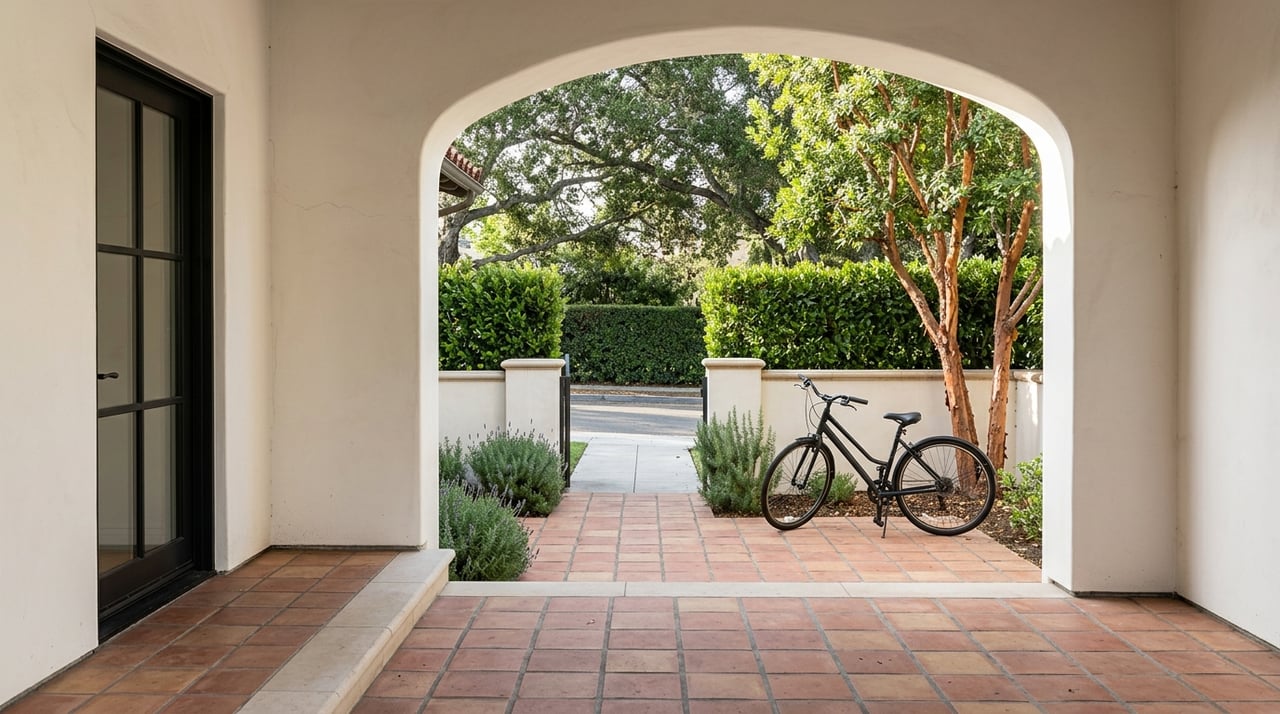
If you want a Silicon Valley lifestyle with fewer daily drives, Mountain View deserves a close look. Not every part of the city works the same way, and that matters when you are choosing where to live or how to plan your routine. This guide will show you where car-light living feels easiest in Mountain View, what your day-to-day can look like, and how to think about location before you make a move. Let’s dive in.
Why Mountain View Works Car-Light
Mountain View is best described as car-light, not car-free. In the city’s core, you can walk to restaurants, transit, and some daily errands with relative ease. In other areas, longer blocks, larger corridors, and office-oriented land uses can make a car more useful.
That distinction is important if you are relocating for work, downsizing your commute, or simply trying to build a more flexible routine. The right address can change how often you drive each week. In Mountain View, that often comes down to how close you are to downtown and the Transit Center.
Downtown Mountain View Leads
The strongest car-light zone in Mountain View is downtown around Castro Street. The city describes downtown as a mixed-use, walkable city center between Evelyn Avenue and El Camino Real, with restaurants, shopping, performing arts, a civic center, and a plaza.
That walkable feel has become even more visible with the pedestrian mall on the 100, 200, and 300 blocks of Castro Street. If you picture stepping out for coffee, dinner, or a casual errand without getting in the car, this is the part of Mountain View where that routine feels most natural.
The Transit Center adds another layer of convenience. The city identifies it as Mountain View’s key multimodal node, with over 12,000 boardings and alightings on a typical weekday, and Caltrain notes that Downtown Mountain View is one block west of Mountain View Station.
Central Neighborhoods Support Daily Life
Just beyond Castro Street, the Central Neighborhoods/Downtown area continues that car-light pattern. According to the city’s planning documents, this area has a walkable, transit-oriented core, with commercial uses along Castro Street and a narrower residential street grid that supports a pedestrian-friendly scale.
The same planning framework notes that density tends to increase closer to Castro. That means townhomes and apartments are more common near the core, while lower-density single-family homes appear farther away. In practical terms, the homes closest to downtown and the Transit Center are often the ones that support a lighter driving routine.
For buyers, this can be a helpful filter. If your goal is to walk to dinner, bike to transit, or simplify your weekday schedule, small shifts in location can have a big impact.
Where Car-Light Gets Harder
Mountain View is not uniform, and some areas feel more car-reliant. City planning documents describe places such as Monta Loma/Farley/Rock, Moffett Boulevard/Whisman Road, and San Antonio Road/Rengstorff Avenue as areas with mixes of light industrial, retail, and residential uses, along with cul-de-sacs and longer blocks.
The El Camino Real corridor is also described as a major commercial strip with high traffic volumes and parking lots. That does not mean these areas lack value or convenience. It simply means the experience often shifts from easy walking to more of a mix of driving, biking, and shuttle use.
If you are deciding between neighborhoods, this is one of the most useful questions to ask: Will your daily destinations be clustered near the core, or spread across the broader city? Your answer can shape which part of Mountain View fits you best.
Transit Options In Mountain View
A car-light lifestyle works best when your transportation choices are layered, and Mountain View offers several. The city says it is served by VTA bus and light rail, Caltrain commuter rail, MVgo shuttles, and the Mountain View Community Shuttle.
The downtown Caltrain station is described by the city as one of the busiest and most convenient in Silicon Valley. It serves Caltrain baby bullet, VTA light rail, VTA bus, the community shuttle, and MVgo, making it a central hub for both local and regional trips.
VTA’s Orange Line also connects Mountain View Station to destinations including Middlefield, Bayshore/NASA, and Moffett Park. For many residents, that means your commute does not have to depend on a single mode of travel.
Biking Fills The Gaps
For many people, biking is what makes car-light living actually work. Mountain View says it has accessible sidewalks, an expanding network of bike lanes, and more than 10 miles of multi-use trails, including Stevens Creek Trail, Permanente Creek Trail, and Hetch Hetchy Trail.
The city also provides rent-free short-term bicycle storage at the Downtown Transit Center bike shelter at Castro and Evelyn, plus downtown bike lockers. That may sound like a small detail, but it can make a real difference if your routine includes biking to the station and continuing by rail or shuttle.
If you want flexibility without driving, bike access can be just as important as rail access. In Mountain View, the two often work together.
Campus Access Matters Too
For tech professionals, car-light living often depends on how easily you can reach work. Google’s Mountain View offices include Bay View at 100 Bay View Drive and Googleplex at 1600 Amphitheatre Parkway, and the city’s MVgo service links the Transit Center to North Bayshore, East Whisman, San Antonio, and downtown Mountain View.
The city’s June 25, 2026 update said MVgo resumed that day with PM service and all four routes operating on their current schedules, and that the Mountain View Community Shuttle would resume on June 26. That matters because shuttle connections can turn a short walk to transit into a manageable end-to-end commute.
For buyers comparing Mountain View with other Silicon Valley locations, this is a practical advantage. You may not eliminate driving entirely, but you can often reduce how often you need it.
What A Car-Light Weekday Looks Like
A typical car-light weekday in Mountain View can be straightforward. You might walk or bike from home to the Transit Center, then take Caltrain, VTA light rail, or a shuttle to the next leg of your trip.
Because the station has front-door access to downtown, the rhythm of the day can center on short, efficient connections instead of a longer drive from every destination. That is especially appealing if you value predictability, optionality, and a little more breathing room in your schedule.
After work, downtown makes it easy to keep the day compact. You can meet someone for dinner, pick up a few items, or spend time on Castro Street before heading home.
Errands Without A Car
Errands are often the real test of whether a place feels car-light. Mountain View’s Community Shuttle is especially useful here because the city says it is free for everybody, has 50 stops, and offers coverage that supports everyday tasks.
The city specifically notes that riders can shop, visit the library, dine, go to a museum or movie theater, visit a local park, or see a doctor or dentist without paying a fare. That kind of errand-friendly coverage helps turn transit from a commute tool into part of normal daily life.
If you are weighing convenience, think beyond the office trip. A neighborhood that works for errands as well as commuting often feels much more livable over time.
Weekends Can Stay Car-Light Too
Mountain View’s trail network gives weekends more options. The city manages more than 10.5 miles of paved trails, and Shoreline at Mountain View includes 750 acres of regional recreation and wildlife open space, plus trails, bridges, a sailing lake, golf, and the Shoreline Amphitheatre.
Shoreline can be reached through Stevens Creek, Permanente Creek, and Bay Trail access. That means a weekend can include exercise, outdoor time, or events without automatically starting with a car trip.
For many buyers, this is part of the appeal. A car-light lifestyle is not only about commuting. It is also about how easily you can enjoy your free time.
How To Choose The Right Area
If living car-light is high on your list, focus first on distance to downtown and the Transit Center. In Mountain View, that is usually the clearest predictor of whether walking and transit will feel easy or occasional.
Next, think about your real routine. Do you commute by Caltrain or light rail, need shuttle access to a campus area, or want to handle errands and dining on foot? Those details matter more than broad city labels.
Finally, keep your expectations practical. Mountain View offers a strong car-light lifestyle in the core, but many residents still rely on a mix of walking, biking, shuttles, transit, and some driving. Choosing the right home is about matching that mix to the way you actually live.
If you are evaluating Mountain View alongside other Silicon Valley communities, local guidance can help you compare not just homes, but day-to-day function. For a discreet, data-driven conversation about where a car-light lifestyle may fit your goals, connect with Nikil Balakrishnan.
FAQs
Which Mountain View area is best for car-light living?
- The downtown area around Castro Street and the Transit Center is the clearest car-light zone, with the city describing it as walkable, mixed-use, and transit-connected.
Is Mountain View good for commuting without a car?
- Yes, especially near Mountain View Station, where you can access Caltrain, VTA light rail, VTA bus, MVgo shuttles, and the Community Shuttle.
Can you run errands in Mountain View without driving?
- In some parts of the city, yes. The Community Shuttle is free for everybody and the city says it supports trips for shopping, dining, parks, medical visits, and other daily needs.
Are all Mountain View neighborhoods equally walkable?
- No. The city’s planning documents suggest the downtown and central neighborhoods feel more walkable, while longer-block corridor areas can feel more car-reliant.
Does biking help with car-light living in Mountain View?
- Yes. Mountain View says it has accessible sidewalks, an expanding bike lane network, multi-use trails, and bike storage options at the Downtown Transit Center.
Is Mountain View better described as car-free or car-light?
- Car-light is the more accurate description. The downtown core supports walking and transit well, but many routines across the city still involve biking, shuttles, or some driving.