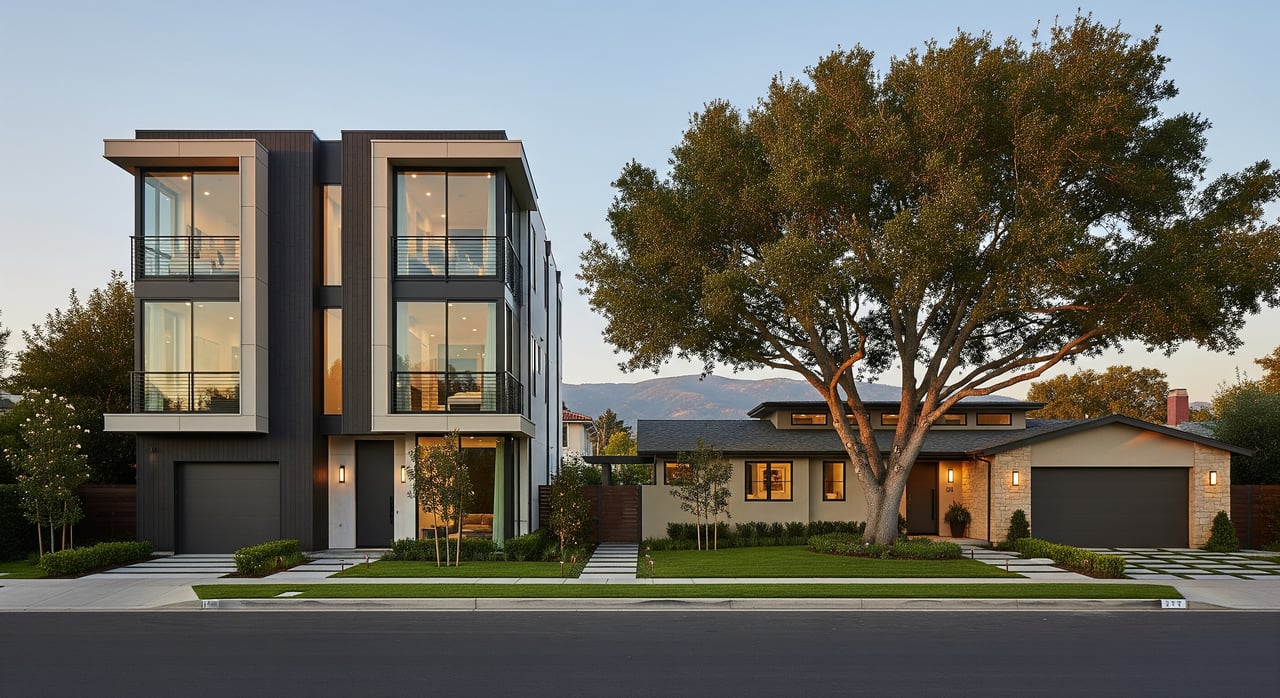
Trying to choose between a Cupertino townhome and a single‑family home? You are not alone. With strong demand from nearby tech employers and limited land, both options ask you to balance privacy, maintenance, HOA rules, and long‑term flexibility. In this guide, you will compare the tradeoffs side by side, see how California rules affect your options, and walk away with a clear checklist to use before you write an offer. Let’s dive in.
Cupertino market reality
Cupertino draws buyers with its proximity to major employers and public schools that many families prioritize. That demand keeps competition high across housing types. At the same time, land is scarce and single‑family lots are limited, which supports a premium for detached homes.
Townhomes and condos often serve as entry points into Cupertino. They can trade a lower purchase price for monthly HOA dues and some rules that shape how you live and maintain the property. Both segments move with local market conditions, so recent neighborhood comps matter.
Townhome vs single‑family: what changes day to day
Maintenance and control
- Single‑family: You handle the roof, exterior, landscaping, fencing, and schedules. You control contractors and quality, but expenses can be variable over time.
- Townhome: The HOA typically covers common areas and many exterior elements. You focus on interior spaces, but you share costs through dues and can face special assessments. The exact split lives in the CC&Rs and governing documents.
HOA tradeoffs
- Benefits: Predictable upkeep of shared elements, sometimes amenities like a pool or gym, and coordinated exterior standards.
- Drawbacks: Monthly dues, potential special assessments, and rules on changes such as exterior paint, fencing, solar visibility, satellite dishes, and window treatments. California HOAs operate under the Davis‑Stirling Common Interest Development Act, so review the HOA packet and reserve study to understand governance and funding.
Privacy and noise
- Single‑family: No shared walls, more setbacks, and greater control over yard privacy. Noise transfer is typically lower.
- Townhome: Shared walls and closer spacing can mean more sound transmission. Design and materials matter. Visit at different times of day and ask about insulation and any past neighbor issues.
Yard and outdoor living
- Single‑family: More room for gardens, play areas, and custom features. You may also have flexibility to add an ADU, subject to permits and local rules.
- Townhome: Private patios or small yards are common, with many outdoor areas maintained by the HOA. Larger projects often require board approval.
Mobility and parking
- Single‑family: Driveway and garage are under your control, which can make daily logistics easy.
- Townhome: Expect assigned spaces and guest parking rules. Ask about overflow or street parking policies before you commit.
Amenities and lifestyle
- Townhomes may offer shared amenities that simplify your routine. If you value a private and customized outdoor lifestyle, a single‑family home gives you more freedom.
Costs and financing: model the full picture
Purchase price vs ongoing costs
Townhomes often list at a lower purchase price. HOAs add a predictable monthly line item. Single‑family homes usually cost more upfront and bring variable maintenance over time. Build a side‑by‑side budget that includes down payment, mortgage, property tax, insurance, dues if any, and realistic maintenance.
Taxes and assessments
California property taxes are generally based on your purchase price with limited annual increases under Proposition 13. Both property types can carry Mello‑Roos or special parcel taxes. Check each address for recorded assessments before you write an offer.
Insurance requirements
- Townhome/condo: You may need an HO‑6 policy for interior finishes and personal property. The HOA typically holds a master policy for common elements. Confirm coverage gaps and deductibles.
- Single‑family: An HO‑3 or HO‑5 policy usually covers the full structure and liability. Review specific riders for risks and deductibles.
Financing classification
Some townhomes are legally condominiums, which can affect loan programs, down payments, and underwriting. Ask your lender to confirm how the property is classified and how dues are treated in your debt‑to‑income ratio.
Rules and approvals in California and Cupertino
HOA governance and documents
HOAs in California follow the Davis‑Stirling Act. Before you waive contingencies, request and review: CC&Rs, bylaws, rules and regulations, budgets, the reserve study, financial statements, insurance declarations, recent meeting minutes, and any litigation disclosures. Healthy reserves reduce the risk of special assessments.
ADUs and local zoning
Recent state laws have opened more paths to add ADUs on single‑family lots, with local implementation by city planning. If an ADU is part of your plan, confirm Cupertino zoning, permit timelines, and fees for the specific parcel. In HOA communities, rules may limit visible changes even when state law supports ADUs.
EV charging and modern needs
California policy encourages EV infrastructure, and HOAs often must allow reasonable accommodation for chargers. You still need to follow community rules for installation, metering, and cost allocation. Ask about electrical capacity and approval steps early.
Condo vs planned development
A townhome can be a condominium or part of a planned development. The legal form influences insurance, maintenance obligations, and lending. Verify the ownership structure and read how boundaries and responsibilities are defined.
Flexibility, resale, and rental outlook
Resale liquidity
Single‑family homes often benefit from land scarcity and broad demand, which can support stronger competition. Townhomes attract first‑time buyers, downsizers, and some investors. In Cupertino both pools are active, but neighborhood context and school boundaries often drive outcomes more than the structure type alone.
Rental potential and restrictions
Townhomes can be simpler to manage due to shared exterior maintenance, but many HOAs cap rentals or restrict subletting. Single‑family homes may command higher rents and attract longer‑term tenants. Always confirm HOA rental policies and local rules before you plan for rental income.
Adaptability and additions
Single‑family properties offer more room to expand or add an ADU, subject to permits. Townhomes have less physical flexibility, and exterior changes usually require HOA approval. Interior renovations are often simpler but can be limited by building systems and shared walls.
Risk considerations
Underfunded HOA reserves, deferred maintenance, or litigation can affect marketability and owner costs. Market cycles can impact attached and detached segments differently over time. Use very local comps and trend windows that match your hold period.
A practical decision framework
Consider leaning townhome if you value:
- Lower day‑to‑day maintenance and predictable exterior care.
- Access to amenities like a pool or gym within your community.
- A lower initial purchase price with dues that fit your monthly budget.
Consider leaning single‑family if you value:
- Maximum privacy, control, and customization potential.
- A larger private yard for gardening, play, or outdoor entertaining.
- Flexibility to add space or build an ADU over time, subject to permits.
If you are unsure, tour both options in the same neighborhood and compare your real monthly cost, noise levels at peak times, parking convenience, and outdoor usability.
Property due diligence checklist for Cupertino buyers
Financials and costs
- Current HOA dues and what they cover, including master insurance and utilities.
- Reserve study, budget, and any planned or recent special assessments.
- Property tax basis and any Mello‑Roos or parcel taxes tied to the address.
- Expected insurance type and coverage gaps between your policy and any HOA master policy.
Legal and governance
- Full HOA packet: CC&Rs, bylaws, rules, financials, insurance declarations, reserve study, and meeting minutes for the past 12 to 24 months.
- Rental caps, pet policies, exterior modification rules, guest parking rules, and EV charger procedures.
- Confirm legal structure: condominium, planned development, or fee simple townhome.
Physical condition
- Age and condition of roof, siding, windows, plumbing, electrical, HVAC, and foundation.
- Pest and wood‑destroying organism reports, plus recent repair history.
- For single‑family: fences, easements, and tree maintenance responsibilities.
- For townhomes: condition of common elements and timing of upcoming capital projects.
Neighborhood and lifestyle
- Noise at different times of day, including traffic and activity from nearby employers.
- Commute routes, public transit access, and parking ease for guests.
- School boundary verification with the appropriate districts for your intended schools.
Resale and rental
- Recent comps, days on market, and buyer profiles for your exact micro‑market.
- HOA rental policies, occupancy rules, and any local short‑term rental restrictions.
Permitting and future plans
- ADU or addition potential under Cupertino planning rules for the specific lot.
- Planned public projects or rezoning that could affect future value.
Inspection and records
- Full home inspection and pest inspection.
- Title report for easements, encroachments, or liens.
- HOA insurance claims over the past 10 years and any special assessment history.
Next steps
Clarify your top three priorities across privacy, yard use, monthly predictability, and future flexibility. Build a 5‑ to 10‑year cost model for both options and pressure‑test it with realistic maintenance and dues. Preview HOA documents early, not after you fall in love with a unit, and confirm lending treatment for the exact legal classification.
If you want a second set of eyes on the numbers and the documents, we can help you compare properties side by side. Our family‑run team pairs decades of Silicon Valley experience with a technology‑forward process to make complex choices simpler and more confident. To discuss your plan in confidence, reach out to Nikil Balakrishnan.
FAQs
What are the key differences in Cupertino maintenance between townhomes and single‑family homes?
- Townhomes shift exterior upkeep to the HOA with dues and possible assessments, while single‑family homes give you full control of schedules and contractors with variable costs.
How do Cupertino HOA rules affect renovations, solar, or EV chargers?
- HOAs operate under California’s Davis‑Stirling framework and have their own rules, so you must review CC&Rs, design guidelines, and approval steps for exterior changes and EV charging.
What should I know about ADUs on Cupertino single‑family lots?
- Recent state laws make ADUs more feasible on single‑family parcels, but permits, local standards, and fees still apply. Confirm city requirements for the specific property.
How do California property taxes work for townhomes vs single‑family homes?
- Under Proposition 13, taxes are generally based on your purchase price with capped annual increases. Either property type may carry Mello‑Roos or parcel taxes, so verify at the parcel level.
Are Cupertino townhomes harder to finance than single‑family homes?
- It depends on legal classification and HOA factors. Some townhomes are condominiums for lending purposes, which can change loan programs and underwriting. Ask your lender to confirm early.